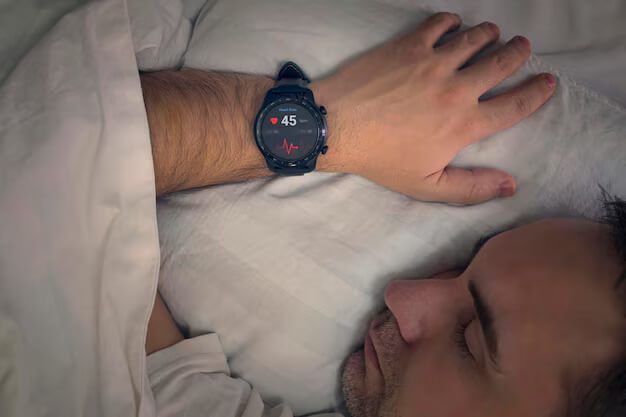
Modern smartwatches are increasingly sophisticated at monitoring sleep — tracking duration, stages, heart rate, and even oxygen saturation. But is smartwatch data sufficient to diagnose sleep apnea? The short answer: no.
What Can a Smartwatch Measure?
Modern smartwatches can track sleep duration and stages, heart rate variability, oxygen saturation (on select premium models), body movement, and snoring via microphone. This data is useful for general awareness but has significant limitations for medical diagnosis.
Key Limitations of Smartwatches
Does Not Directly Measure Breathing
Smartwatches do not measure airflow through the nose and mouth — a critical parameter for diagnosing sleep apnea. They only estimate it from changes in heart rate and oxygen saturation.
Featured Product
ResMed AirSense 10 Autoset
ResMed's best-in-class auto CPAP — adjusts pressure with every breath for precise, comfortable therapy throughout the night.
View Product Free ConsultationCannot Calculate AHI
The gold standard for diagnosing sleep apnea is the AHI (Apnea-Hypopnea Index) — the number of apnea or hypopnea episodes per hour. Smartwatches cannot accurately calculate this.
Limited SpO2 Accuracy
Optical sensors on the wrist are less accurate than medical-grade finger sensors. Hand movement during sleep interferes with readings, and these devices cannot detect mild desaturations that are nonetheless clinically significant.
Cannot Differentiate Types of Sleep Apnea
There are three types of sleep apnea: obstructive, central, and mixed — each requiring different treatment. Smartwatches cannot distinguish between them.
Our Services for You
High Rates of False Positives and False Negatives
Smartwatches produce numerous false positives (causing unnecessary anxiety) as well as false negatives (missing important diagnoses). Both scenarios are dangerous.
When Is Smartwatch Data Useful?
- Early screening: Patterns of SpO2 frequently dropping below 90% or frequent awakenings can serve as red flags to seek a professional sleep study
- Motivation to seek care: Visual data can motivate someone to pursue a medical evaluation
- Post-treatment monitoring: After CPAP therapy, tracking improvements in SpO2 and sleep quality
What Does a Professional Sleep Study Measure?
Polysomnography measures: nasal and oral airflow, chest and abdominal movement, oxygen saturation with medical-grade sensors, brain waves (EEG), eye movement (EOG), muscle activity (EMG), heart rate (ECG), and body position — all interpreted by a specialist physician for an accurate diagnosis.
The Risks of Relying on a Smartwatch Alone
Relying solely on a smartwatch can lead to: missed diagnoses, excessive anxiety from false positives, delayed treatment, and diagnoses not recognized by insurance. Resindo Medika provides accurate medical sleep studies with full polysomnography, interpretation by certified specialist physicians, and medically valid diagnoses for insurance claims.