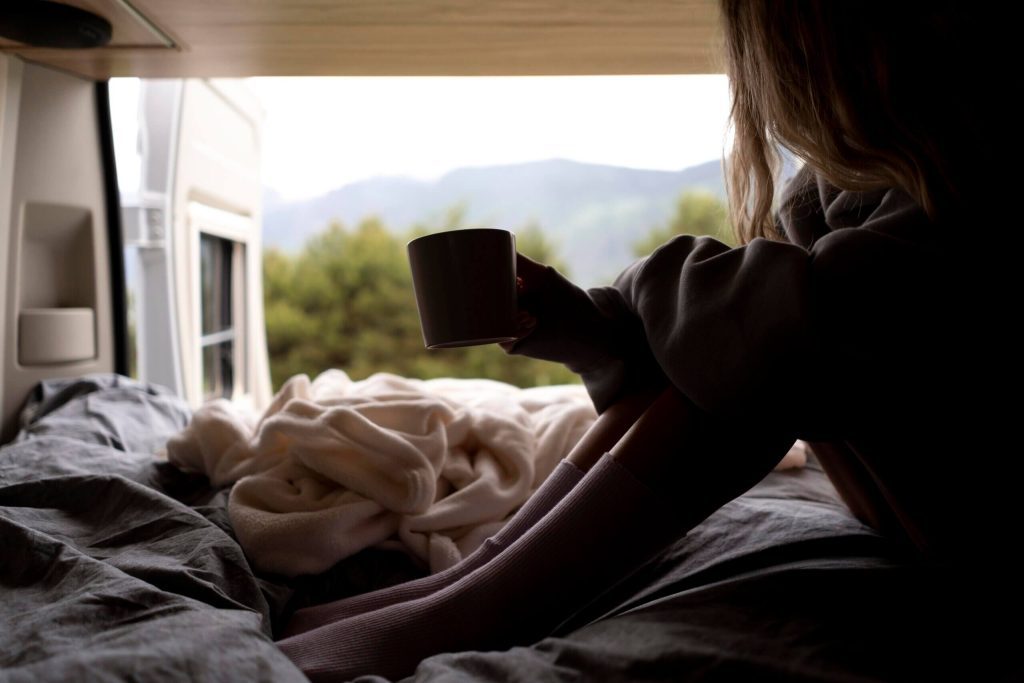
Many people think sleep apnea is only influenced by age, weight, or lifestyle. In fact, the altitude where you live can also affect sleep quality and the frequency of breathing pauses during sleep. In Indonesia, although most areas are in the lowlands, there are still cities or mountainous areas classified as high altitude — such as Dieng, Batu, or parts of Papua.
Sleep Apnea at High Altitude
In mountainous areas above 2,000 meters above sea level, the oxygen level in the air is lower (the partial pressure of oxygen is reduced). This forces the body to work harder to get enough oxygen.
The effects on people with sleep apnea:
Featured Product
ResMed AirSense 10 Autoset
ResMed's best automatic CPAP — adjusts pressure with every breath for precise, comfortable therapy all night long.
View Product Free Consultation- Central Sleep Apnea is more dominant — the brain sends unstable breathing signals in response to hypoxia, creating a Cheyne-Stokes breathing pattern
- Periodic breathing — the rise-and-fall breathing typical at altitude, causing repeated awakenings
- Symptoms worsen: morning headaches, frequent awakenings, increased fatigue
The phenomenon of Altitude-Induced Sleep Apnea can also occur in people who previously did not have sleep apnea when living in the lowlands.
Sleep Apnea at Low Altitude (Lowlands)
In lowland or coastal areas, the oxygen level in the air is more stable. The dominant type of sleep apnea is Obstructive Sleep Apnea (OSA), caused by physical narrowing of the airway during sleep.
The effects:
Our Services for You
- Characteristic loud snoring
- Repeated breathing pauses due to collapse of the soft tissue in the throat
- Severe oxygen desaturation in serious cases
Differences in Sleep Apnea Type by Altitude
| Aspect | High Altitude | Low Altitude |
|---|---|---|
| Dominant type | Central Sleep Apnea | Obstructive Sleep Apnea |
| Cause | Hypoxia, unstable brain signals | Physical airway obstruction |
| Snoring | Less frequent/absent | Characteristic, often loud |
| Breathing pattern | Cheyne-Stokes, periodic | Obstructive breathing pauses |
Implications for CPAP Therapy
CPAP settings at high altitude require special attention:
- CPAP pressure may need to be adjusted because of the different air density
- Some cases of central sleep apnea at altitude require ASV (Adaptive Servo-Ventilation) rather than standard CPAP
- Supplemental oxygen therapy may be needed to address the underlying hypoxia
Traveling to Areas of Different Altitude
If you travel from the lowlands to the mountains (or vice versa) and use CPAP, consult your doctor about possibly adjusting the pressure settings. A significant change in altitude can alter the effectiveness of the therapy.
Resindo Medika provides a practical home sleep examination and medical consultation with experts to help determine the right CPAP therapy for your condition and location. Contact us for more information.