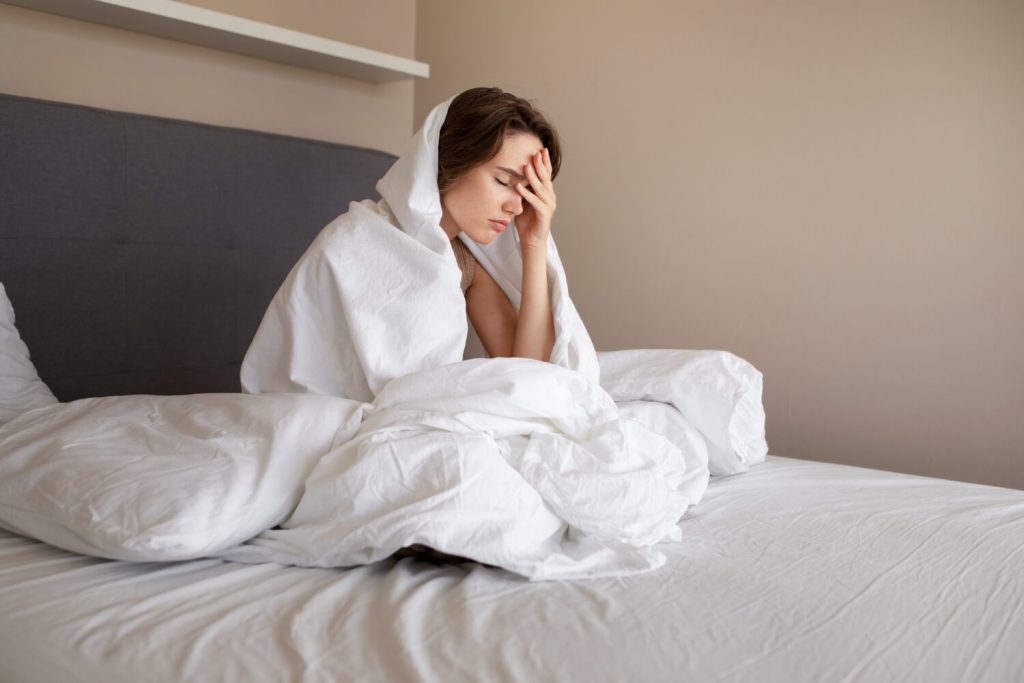
Sleep apnea is a serious sleep disorder that causes temporary pauses in breathing during sleep. However, many people with sleep apnea also experience other sleep disorders that can worsen their condition. Understanding the differences between central and obstructive apnea, strategies for managing insomnia, and recognizing other sleep disorders are important steps in managing sleep health. Here is essential information and steps you can take.
Central Apnea vs. Obstructive Apnea: Differences and Treatment
Obstructive Apnea is the most common type of sleep apnea, occurring when the muscles at the back of the throat relax excessively, causing a blockage in the airway. Key symptoms include loud snoring, choking, or gasping during sleep.
Featured Product
ResMed AirSense 10 Autoset
ResMed's best automatic CPAP — adjusts pressure with every breath for precise, comfortable therapy throughout the night.
View Product Free ConsultationCentral Apnea is a less common condition that occurs when the brain fails to send proper signals to the muscles that control breathing. Key symptoms include silent pauses with no breathing effort, followed by sudden awakenings with shortness of breath.
Treatment for Obstructive Apnea
- Use of CPAP (Continuous Positive Airway Pressure): This device helps keep the airway open by delivering a steady stream of pressurized air.
- Lifestyle Changes: Losing weight, avoiding alcohol, and sleeping on your side can help reduce symptoms.
Treatment for Central Apnea
Our Services for You
- Use of BiPAP (Bilevel Positive Airway Pressure) device: This device delivers air pressure at two levels — one for inhalation and one for exhalation.
- Medication: A doctor may prescribe medications that stimulate breathing.
Strategies for Managing Insomnia Commonly Experienced by People with Sleep Apnea
Insomnia is another sleep disorder that frequently affects people with sleep apnea. It can make it difficult to fall asleep or stay asleep. Here are some strategies to manage insomnia:
- Establishing a Consistent Sleep Routine
Going to bed and waking up at the same time every day — even on weekends — can help regulate your circadian rhythm.
- Limiting Screen Exposure
Avoid using your phone, tablet, or computer for at least one hour before bed to reduce blue light exposure, which can interfere with melatonin production.
- Managing Stress and Anxiety
Relaxation techniques such as meditation, yoga, or deep breathing exercises can help calm the mind before sleep.
- Avoiding Stimulants
Avoid caffeine and nicotine in the afternoon and evening, as both substances can disrupt sleep.
Other Sleep Disorders to Watch Out for and How to Manage Them
In addition to sleep apnea and insomnia, people with sleep apnea should be aware of several other sleep disorders:
- Restless Legs Syndrome (RLS)
Characterized by an irresistible urge to move the legs, especially when lying down or sitting. Management includes avoiding caffeine, engaging in light exercise, and in some cases, medical treatment.
- Narcolepsy
A neurological disorder that affects sleep-wake control, causing excessive daytime sleepiness and sudden sleep attacks. Management involves medication and lifestyle changes to control symptoms.
- Parasomnia
A group of sleep disorders involving unusual behaviors during sleep, such as sleepwalking or nightmares. Management typically involves maintaining a safe sleep environment and, if necessary, medical therapy.
For more information and proper medical advice regarding sleep disorders, visit the website of Resindo Medika. There, you can find a wide range of resources and consultation services from experts who can help you better manage sleep apnea and other sleep disorders. Don't hesitate to reach out to the professional team at Resindo Medika for the support you need on your journey toward a healthier life and better sleep.
With the right approach and professional support, people with sleep apnea can effectively manage their symptoms and improve both their sleep quality and overall health.