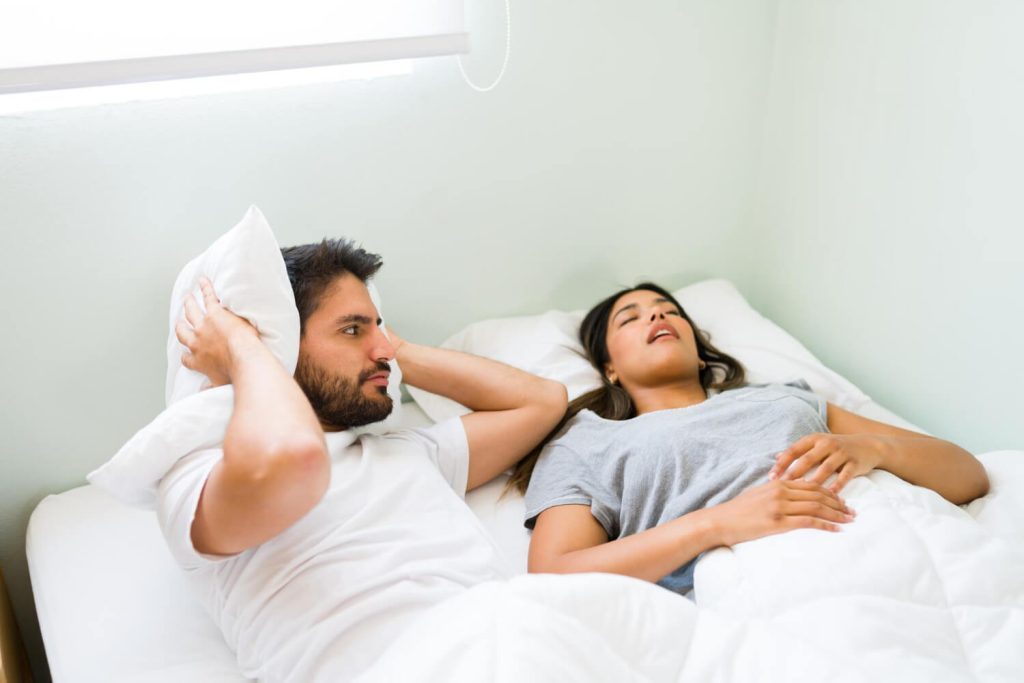
Snoring every night is a problem that is often dismissed as trivial, but it can actually be a sign of a more serious health condition: sleep apnea. Snoring not only disrupts your quality of sleep, but can also lead to long-term health consequences if left untreated. This article discusses why nightly snoring warrants attention and why early treatment is essential.
What Is Snoring?
Snoring occurs when airflow through the nose and mouth is obstructed during sleep, causing the tissues in the throat to vibrate and produce a snoring sound. Some factors that can cause snoring include:
Featured Products
ResMed AirSense 10 Autoset
ResMed's best automatic CPAP — adjusts pressure with every breath for precise, comfortable therapy throughout the night.
View Product Free Consultation- Obesity
- Improper sleeping position
- Alcohol consumption
- Smoking
- Allergies or sinusitis
However, frequent and loud snoring can be a sign of sleep apnea, a serious sleep disorder that requires medical attention.
Sleep Apnea: The Danger Behind Snoring
Sleep apnea is a condition in which breathing repeatedly stops temporarily during sleep, often causing loud snoring interrupted by periods of silence. There are three types of sleep apnea:
Our Services for You
- Obstructive Sleep Apnea (OSA): The most common type, occurring when the throat muscles relax excessively and block the airway.
- Central Sleep Apnea: Occurs when the brain fails to send the proper signals to the breathing muscles, causing disruptions in breathing.
- Mixed Sleep Apnea: A combination of obstructive and central sleep apnea.
Why Should Nightly Snoring Be Taken Seriously?
Snoring every night can be a symptom of sleep apnea. Untreated sleep apnea can lead to a range of serious health complications, including:
- High Blood Pressure: Sleep apnea can increase the risk of hypertension, which is a major risk factor for heart disease.
- Heart Disease and Stroke: Untreated sleep apnea can lead to an increased risk of heart disease and stroke due to elevated blood pressure and decreased blood oxygen levels.
- Type 2 Diabetes: Sleep apnea can affect glucose metabolism, increasing the risk of type 2 diabetes.
- Mental Health Disorders: Poor-quality sleep can lead to mental health problems, including depression and anxiety.
Other Symptoms of Sleep Apnea
In addition to nightly snoring, other symptoms of sleep apnea include:
- Waking Up Gasping for Air: Sleep apnea often causes you to wake up with a choking sensation or feeling short of breath.
- Morning Headaches: Reduced oxygen levels during sleep can cause headaches upon waking.
- Daytime Fatigue: Fragmented, poor-quality sleep leads to excessive daytime fatigue.
- Cognitive and Mood Disturbances: Disrupted sleep can affect your cognition and mood, causing difficulty concentrating and mood changes.
The Importance of Early Diagnosis and Treatment
If you or your sleep partner snores frequently and experiences symptoms of sleep apnea, it is important to see a doctor promptly. Early diagnosis and appropriate treatment can help prevent more serious complications. The diagnostic process may involve a sleep study (polysomnography) conducted in a laboratory or using a home sleep monitoring device.
Find a Solution for Sleep Apnea at Resindo Medika
Do not dismiss nightly snoring as a minor nuisance. If you are experiencing symptoms of sleep apnea, seek medical help right away. Visit the Resindo Medika website at Resindo.com for more information and to consult with experienced medical professionals. With the right diagnosis and treatment, you can overcome sleep apnea and improve your quality of sleep. Don't let snoring compromise your health. Find the solution with Resindo Medika!