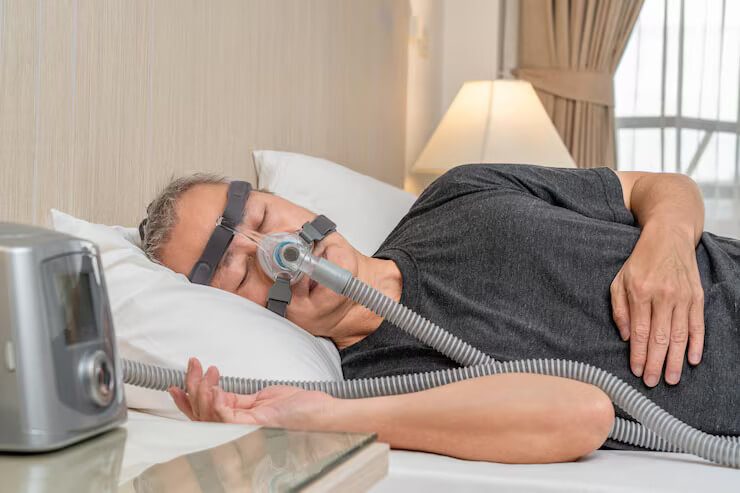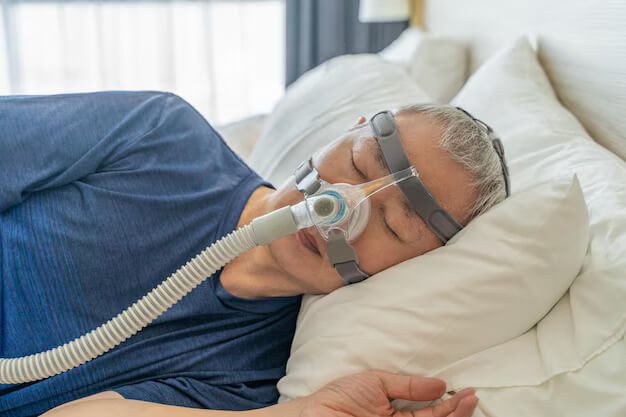
For sleep apnea patients who are also obese, losing weight is the most effective supportive intervention – even a modest 10% reduction can significantly decrease sleep apnea severity. However, since CPAP remains necessary throughout the weight loss process, both must go hand in hand.
Effective Dietary Approaches
1. Sustained Caloric Deficit
Aim for a caloric deficit of 500–750 kcal/day for a loss of 0.5–0.75 kg per week – realistic and sustainable without excessive muscle mass loss.
2. High-Protein Diet
Protein increases satiety, preserves muscle mass during caloric restriction, and has the highest thermic effect among macronutrients.
Featured Products
ResMed AirSense 10 Autoset
ResMed's best automatic CPAP — adjusts pressure with every breath for precise, comfortable therapy throughout the night.
View Product Free Consultation- Target: 1.2–1.6 g of protein per kg of body weight per day
- Sources: fish, skinless chicken, eggs, tofu, tempeh, legumes
3. Reduce Refined Carbohydrates and Sugar
- Replace white rice with brown rice, quinoa, or oatmeal
- Avoid sugary drinks, including packaged fruit juices
- Limit white bread, pastries, and processed foods
4. Increase Fiber Intake
Aim for 25–35 grams of fiber per day from vegetables, fruits, and legumes. Fiber slows sugar absorption and promotes longer-lasting fullness.
5. Avoid Alcohol
Alcohol not only contains empty calories but also directly worsens sleep apnea by excessively relaxing the throat muscles. Avoid it entirely or limit intake to a maximum of 1–2 units per week.
An Effective Exercise Program
Phase 1: Building the Foundation (Weeks 1–4)
- Walk 30 minutes every day (or 10,000 steps)
- Light stretching and yoga for 20 minutes, 3 times a week
Phase 2: Increasing Intensity (Weeks 5–12)
- Moderate-intensity aerobic exercise for 150–200 minutes per week
- Resistance training 2–3 times per week (supports basal metabolism)
- Consider swimming – highly effective for sleep apnea patients (strengthens respiratory muscles)
Supportive Lifestyle Changes
- Get adequate sleep with CPAP: sleep deprivation raises ghrelin (hunger hormone) and lowers leptin (satiety hormone) – CPAP helps regulate appetite
- Quit smoking: smoking increases airway inflammation and worsens OSA
- Stress management: elevated cortisol from chronic stress promotes visceral fat accumulation
- Eat without rushing: eating slowly improves satiety signals to the brain (takes 15–20 minutes)
- No eating after 8:00 PM: reduces total calorie intake and prevents acid reflux, which can worsen OSA
Realistic Targets
A 5–10% reduction in body weight over 3–6 months is a realistic and clinically meaningful target. Do not aim for extreme weight loss – consistency and sustainability are what matter most.
Our Services for You
Remember: weight loss is a supportive therapy, not a replacement for CPAP. Continue using CPAP during and after your weight loss journey. Consult with the Resindo Medika team for a comprehensive plan that includes CPAP therapy and lifestyle coaching.