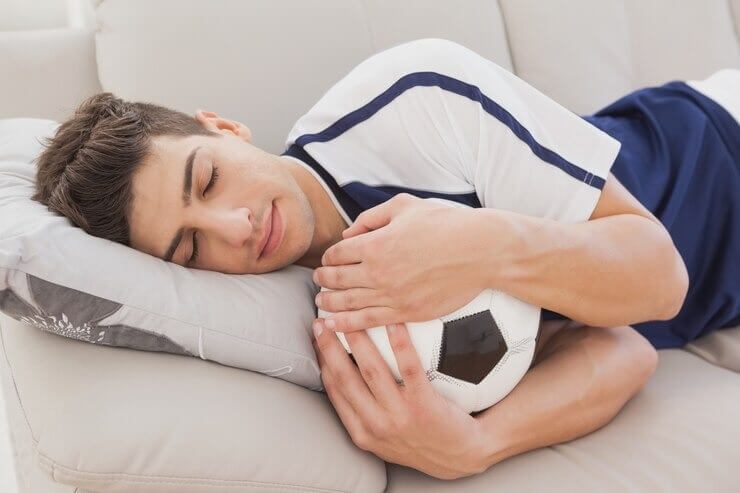
Quality sleep and regular exercise share a bidirectional, mutually beneficial relationship: exercise improves sleep quality, and good sleep enhances athletic performance. Research shows that regular exercise is one of the most effective non-pharmacological interventions for addressing sleep disorders.
How Does Exercise Improve Sleep Quality?
1. Reducing Stress Hormones
During exercise, the body releases endorphins and lowers cortisol levels (the stress hormone). Low cortisol at night is essential for falling and staying asleep. The result: deeper, more restful sleep and reduced anxiety — a common trigger for insomnia.
2. Regulating the Circadian Rhythm
Exercise — especially when done in the morning or afternoon under natural sunlight — helps synchronize the body's internal biological clock. The body more easily recognizes when to be awake (daytime) and when to sleep (nighttime). This is particularly beneficial for people with insomnia and shift workers.
Featured Products
ResMed AirSense 10 Autoset
ResMed's best automatic CPAP — adjusts pressure with every breath for precise, comfortable therapy throughout the night.
View Product Free Consultation3. Lowering Body Temperature
Exercise raises body temperature, and the drop in temperature that occurs a few hours afterward triggers natural drowsiness — a signal to the body that it is time to sleep.
4. Reducing the Risk and Severity of Sleep Apnea
Exercise helps with weight loss (reducing fat pressure on the airway) and strengthens the pharyngeal muscles that keep the airway open. Research shows that regular exercise can reduce the AHI (Apnea-Hypopnea Index) by an average of 32%, even without significant weight loss.
The Most Effective Types of Exercise
For General Sleep Quality
- Moderate-intensity aerobic exercise: jogging, cycling, swimming — 150 minutes per week (WHO recommendation)
- Yoga and Pilates: reduce muscle tension and stress, and improve the mind-body connection
- Tai chi: particularly effective for older adults with insomnia
For People with Sleep Apnea
- Swimming: the horizontal position and breathing exercises help strengthen respiratory muscles
- Resistance/strength training: builds muscle mass, which helps maintain a healthy weight
- Oropharyngeal muscle exercises: targeted throat exercises proven to reduce snoring
Exercise Timing: When Is Best?
- Morning (ideal): boosts alertness throughout the day and reinforces the circadian rhythm
- Midday/afternoon (good): allows the body to cool down before bedtime
- Evening (avoid 1–2 hours before bed): high-intensity exercise raises body temperature and adrenaline, which can delay sleep onset
Starting an Exercise Routine for Better Sleep
Consistency matters more than intensity. Start with 20–30 minutes of light activity 3–4 times a week, then increase gradually. Benefits to sleep quality are typically felt after 4–6 weeks of regular exercise.
Our Services for You
If you continue to experience sleep problems after exercising regularly — especially loud snoring or excessive daytime fatigue — consider a sleep study at Resindo Medika to detect any underlying sleep disorders that may require medical treatment.