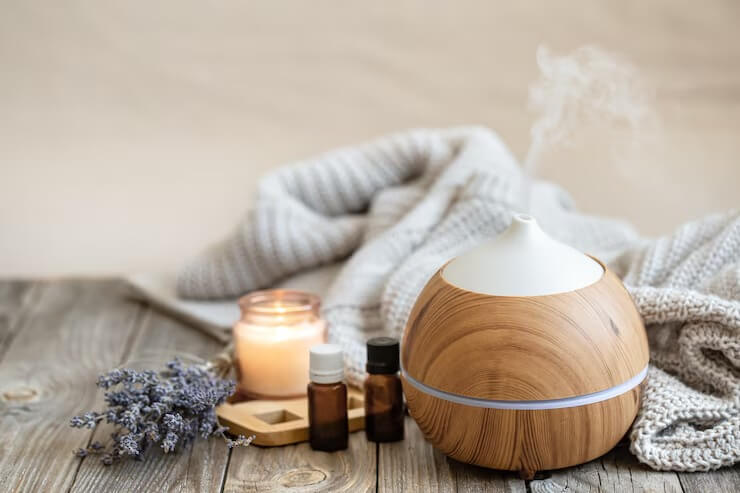
Insomnia is a common problem, whether caused by stress, anxiety, or an underlying sleep disorder. One increasingly popular natural solution is aromatherapy — the use of essential oils to promote relaxation and improve sleep quality. But how effective is aromatherapy based on scientific evidence?
How Does Aromatherapy Work?
Aromatherapy works through the sense of smell, which directly influences the limbic system in the brain — the part responsible for regulating emotions, memory, and stress responses. Certain essential oils have calming properties that can reduce anxiety and help slow the heart rate, preparing the body for sleep.
Best Essential Oils for Sleep
1. Lavender – The Most Research-Backed Option
Lavender is the most extensively studied essential oil for sleep quality. A study published in the Journal of Alternative and Complementary Medicine found that inhaling lavender aroma improved sleep quality and reduced anxiety. Its effects include calming the nervous system, lowering blood pressure, and slowing the heart rate.
Featured Product
ResMed AirSense 10 Autoset
ResMed's top automatic CPAP — adjusts pressure with every breath for precise, comfortable therapy throughout the night.
View Product Free ConsultationHow to use: Add 3–5 drops to a diffuser 30 minutes before bed, or apply to the wrists with coconut oil as a carrier.
2. Chamomile
Roman chamomile contains apigenin — a compound that binds to GABA receptors in the brain, producing a calming effect similar to a mild sleep aid without the risk of dependency.
How to use: Add a few drops to a warm bath before bed, or enjoy a cup of chamomile tea alongside.
Our Services for You
3. Sandalwood
Sandalwood aroma helps stimulate melatonin production and has a mild sedative effect. It is ideal for those who struggle to "switch off" their thoughts before bed.
4. Bergamot
Bergamot contains linalool and linalyl acetate, which have anxiolytic (anxiety-reducing) properties. Clinical studies show that inhaling bergamot for 10 minutes significantly lowers blood pressure and heart rate.
5. Cedarwood
Cedarwood contains cedrol, which stimulates the release of serotonin, which is then converted into melatonin. It pairs well with lavender for an even stronger sleep-promoting effect.
Effective Ways to Use Aromatherapy
- Diffuser: 5–10 drops; activate 30–60 minutes before bed
- Relaxation massage: blend with coconut oil (2–3% dilution); massage into the neck, shoulders, or soles of the feet
- Pillow spray: mix 5 drops with 100ml of water in a spray bottle
- Aromatherapy bath: add 5–10 drops to a warm bath (37–39°C) and soak for 15–20 minutes
Limitations: Not Suitable for All Sleep Disorders
Aromatherapy is effective for mild insomnia triggered by stress and anxiety. However, for sleep disorders with a physical component such as sleep apnea, aromatherapy is only supportive and does not address the underlying airway obstruction.
If your insomnia or sleep problems do not improve with lifestyle changes and aromatherapy, consider a sleep study to detect any underlying sleep disorders.