Energy drinks and pre-workout drinks are increasingly popular among active adolescents, particularly those who regularly work out at the gym or engage in intense physical activity. These drinks are claimed to boost focus, stamina, and performance. However, behind their instant benefits lies a potential risk that is often overlooked — especially in relation to mild sleep apnea.
Energy Drink Ingredients and Their Impact on Sleep
Most energy drinks contain high doses of caffeine (100–300 mg per serving), taurine, sugar, and other stimulants. Caffeine works by stimulating the central nervous system, keeping the body alert and reducing drowsiness.
For adolescents with mild sleep apnea, excessive caffeine consumption can:
Featured Products
ResMed AirSense 10 Autoset
ResMed's top automatic CPAP — adjusts pressure with every breath for precise, comfortable therapy throughout the night.
View Product Free Consultation- Disrupt natural sleep cycles (especially deep sleep stages)
- Worsen breathing disturbances during sleep
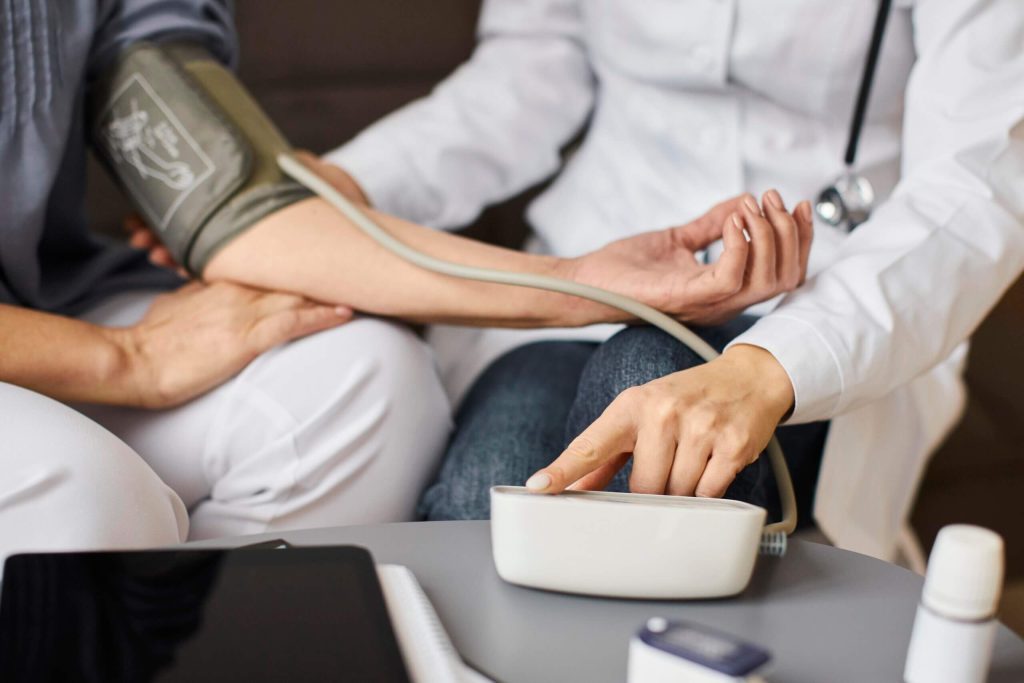
- Trigger irregular heartbeat and elevated blood pressure
- Increase airway muscle tension, raising the risk of brief breathing pauses
Sleep Apnea in Adolescents: Not Just an Adult Problem
Although often associated with adults, sleep apnea in adolescents is increasingly being diagnosed. Risk factors include:
- Obesity or being overweight
- Narrow jaw structure and airway
- Family history of sleep apnea
- Habitual consumption of high-caffeine and high-sugar drinks
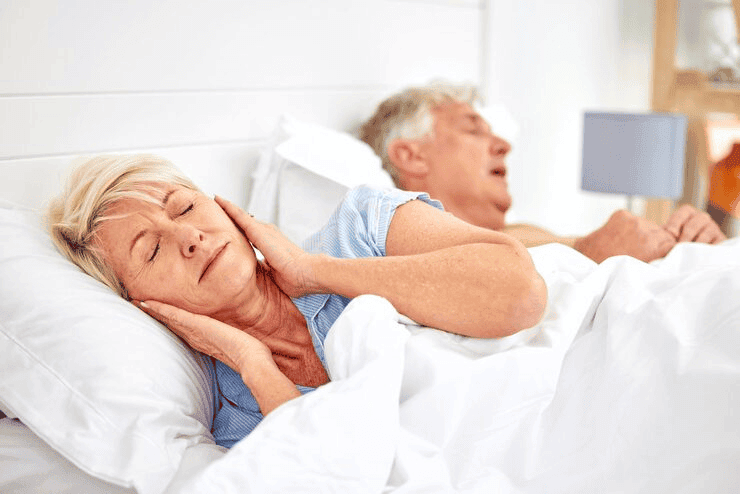
Mild sleep apnea in adolescents is characterized by snoring, sudden nighttime awakenings, excessive daytime sleepiness, and difficulty concentrating — symptoms that are often dismissed as normal.
Pre-Workout, Caffeine, and Sleep Quality
Caffeine has a half-life of 5–7 hours in the body. This means that if you drink a pre-workout at 5:00 PM, half of its caffeine is still active in your system between 10:00 PM and midnight — prolonging the time needed to reach deep sleep.
Our Services for You
In adolescents with mild sleep apnea, caffeine-related sleep disruption can trigger:
- More frequent awakenings due to apnea episodes
- Lower blood oxygen levels during the night
- Chronic fatigue despite getting enough hours of sleep
Additional Risk: The Effect of Caffeine on the Airways
Research shows that high doses of caffeine can unevenly increase respiratory muscle tone, causing an imbalance between the dilators and constrictors of the upper airway. In individuals already predisposed to sleep apnea, this effect may increase the frequency of apnea episodes.
How to Reduce the Risk
- Limit caffeine intake to no more than once a day and avoid it after 2:00 PM
- Choose natural energy sources: bananas, nuts, oatmeal, and adequate hydration
- Check energy drink labels — some contain caffeine equivalent to 3–4 cups of coffee in a single serving
- Get a sleep study if you snore or feel excessively tired despite getting enough sleep
- Consult a medical professional to manage mild sleep apnea before it progresses to a severe stage
When Should You Get Checked?
If you or your adolescent regularly consumes energy drinks and experiences symptoms such as snoring, frequent nighttime awakenings, or excessive daytime sleepiness, it's time to get evaluated. Sleep apnea detected early is far easier to manage.
Resindo Medika provides sleep apnea diagnosis and therapy services with modern equipment and experienced specialists. Contact us now for a consultation and evaluation before sleep disorders start affecting daily activities and performance.