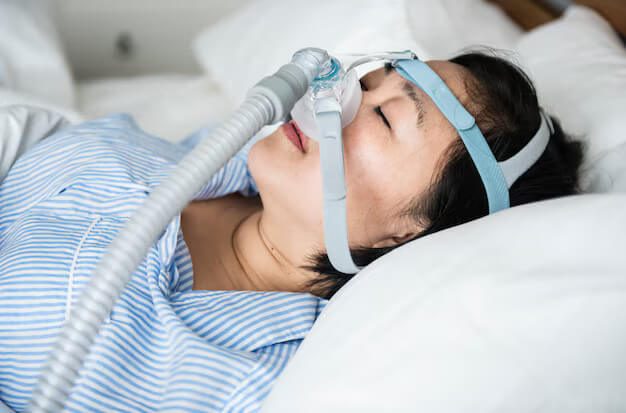
Many misconceptions about sleep apnea lead people to ignore symptoms or refuse treatment. Here we debunk common myths based on the latest medical evidence.
Myth 1: "Snoring is normal and harmless"
Fact: Occasional snoring is common, but loud snoring accompanied by breathing pauses is a sign of sleep apnea — a serious condition that increases the risk of stroke, heart attack, and sudden death. Seek evaluation promptly if your partner reports you stopping breathing during sleep.
Myth 2: "Sleep apnea only affects overweight people"
Fact: About 30% of sufferers have a normal body weight. A small jaw, enlarged tonsils, a thick tongue, facial structural abnormalities, and genetic factors can also cause sleep apnea in lean individuals.
Featured Product
ResMed AirSense 10 Autoset
ResMed's best automatic CPAP — adjusts pressure with every breath for precise, comfortable therapy throughout the night.
View Product Free ConsultationMyth 3: "Sleep apnea is only a problem for older people"
Fact: Sleep apnea affects all ages, including children. In children, the primary cause is enlarged tonsils and adenoids. In young adults, obesity, alcohol consumption, and anatomical abnormalities play a role.
Myth 4: "I sleep 8 hours, so I must be fine"
Fact: Sleep duration is not the same as sleep quality. People with sleep apnea may sleep 8–10 hours yet still wake up exhausted because their sleep is fragmented — they are roused hundreds of times a night without realizing it due to breathing interruptions.
Myth 5: "CPAP is uncomfortable, so there's no point using it"
Fact: Modern CPAP devices are far more comfortable, offering a wide range of mask options, humidifier features, and automatic pressure adjustment tailored to individual needs. After an adjustment period of 1–2 weeks, most patients find they cannot sleep without their CPAP.
Our Services for You
Myth 6: "Sleep apnea will go away on its own"
Fact: Mild sleep apnea may improve with weight loss, but moderate-to-severe sleep apnea will not resolve on its own. Without treatment, the condition worsens with age.
Myth 7: "A smartphone app can diagnose sleep apnea"
Fact: Sleep tracker apps can detect sleep patterns, but they cannot accurately diagnose sleep apnea. A definitive diagnosis requires a sleep study that measures oxygen levels, the number of breathing interruptions per hour, sleep stages, and cardiac and brain activity.
Myth 8: "Drinking alcohol helps you sleep better"
Fact: Alcohol causes the throat muscles to relax excessively, worsening sleep apnea. Although you may fall asleep faster, sleep quality is significantly poorer, with more apnea episodes throughout the night.
Myth 9: "Sleep apnea is only a men's problem"
Fact: Women are also at risk, especially after menopause when protective hormones decline. Symptoms in women often present differently — leaning more toward insomnia, fatigue, and depression — which means the condition frequently goes undiagnosed.
Myth 10: "Sleep apnea is just a sleep problem — it's not dangerous"
Fact: Sleep apnea increases the risk of heart attack by up to 3 times, stroke by up to 4 times, and is also linked to type 2 diabetes, resistant hypertension, depression, cognitive impairment, and sudden death during sleep.
Don't let myths stand in the way of proper treatment. Resindo Medika helps patients understand their condition through professional sleep studies, comprehensive education, and evidence-based therapy options.