The most common question from sleep apnea patients is: "Can this condition be completely cured?" The answer: it depends on the cause, severity, and treatment approach. This article provides an honest, evidence-based explanation of sleep apnea prognosis.
Sleep Apnea That Can Be Completely "Cured"
Some cases of sleep apnea can be completely resolved if the underlying cause is fully addressed:
Featured Products
ResMed AirSense 10 Autoset
ResMed's best automatic CPAP — adjusts pressure with every breath for precise, comfortable therapy throughout the night.
View Product Free Consultation1. Sleep Apnea in Children Due to Enlarged Tonsils
Tonsil and adenoid removal (tonsillectomy) can cure 70–90% of sleep apnea cases in children. After surgery, the child can breathe normally and sleep apnea resolves permanently.
2. Sleep Apnea Due to Obesity in Early Stages
If mild sleep apnea is caused by excess weight, a 10–15% reduction in body weight can eliminate sleep apnea in 50% of cases. However, weight must be maintained — if it increases again, sleep apnea will return.
3. Sleep Apnea Due to Surgically Correctable Anatomical Abnormalities
Septoplasty (for deviated septum), jaw surgery (MMA), or removal of excess tissue can cure sleep apnea when performed on the right candidates.
Our Services for You
4. Positional Sleep Apnea
If sleep apnea only occurs when sleeping on your back, changing sleep position can "cure" the condition — though technically it is not a complete cure, as you must maintain that position indefinitely.
Sleep Apnea That Requires Lifelong Therapy
In the majority of cases, sleep apnea is a chronic condition that requires long-term management:
1. Moderate-to-Severe Sleep Apnea in Adults
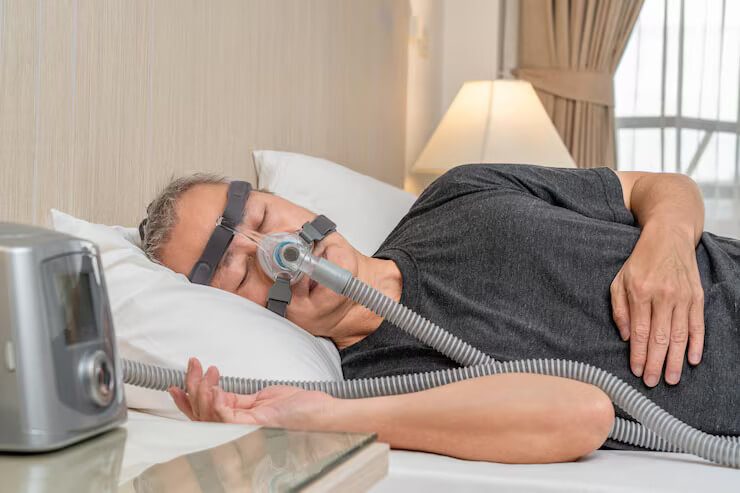
Most cases require lifelong CPAP therapy. While not a "cure", CPAP controls symptoms by up to 95%, allowing patients to live a normal, healthy life.
2. Sleep Apnea with Multiple Risk Factors
If caused by a combination of factors (obesity + age + genetics + anatomical abnormalities), the likelihood of a complete cure is very low. The realistic goal is optimal control through therapy.
3. Sleep Apnea Due to Aging
As we age, the muscles of the airway naturally weaken — a process that cannot be reversed. Therapy remains necessary to control symptoms.
"Cured" vs. "Controlled" — What's the Difference?
It is important to understand this distinction:
Completely cured: No sleep apnea remains; no therapy of any kind is needed
Optimally controlled: Sleep apnea is still present, but with therapy (CPAP, oral appliance, or lifestyle modification) symptoms are 100% eliminated and no complications occur
Most adult sleep apnea patients fall into the "optimally controlled" category — they live normal, healthy lives with therapy, but cannot stop treatment.
Is CPAP Therapy Lifelong?
For most patients: YES. However:
If significant weight loss is achieved (>15–20 kg), a repeat sleep study may show improvement and CPAP pressure may be reduced or even discontinued
If surgery is successful (MMA, UPPP), some patients may be able to stop using CPAP
If triggering factors are addressed (stopping alcohol, discontinuing certain medications), sleep apnea may improve
But never stop CPAP without a confirmatory sleep study — this can be dangerous!
What Happens If Therapy Is Stopped?
If CPAP is stopped without medical approval:
Sleep apnea will return overnight
Symptoms such as fatigue, snoring, and breathing pauses will recur
The risk of complications (stroke, heart disease) will increase again
Quality of life will decline significantly
Even if weight has been lost, a repeat sleep study is still required to confirm whether therapy is still needed.
Long-Term Prognosis with Proper Treatment
The good news: with consistent therapy, sleep apnea patients can:
Live a normal, productive life
Reduce the risk of complications to nearly that of people without sleep apnea
Enjoy the same quality of life as the general population
Work, exercise, and go about daily activities without limitations
Steps to Achieve the Best Prognosis
Adhere to CPAP therapy: Use it for a minimum of 6 hours per night
Manage your weight: Lose weight and maintain an ideal body weight
Repeat sleep study: Every 1–2 years for evaluation
Healthy lifestyle: Stop smoking, limit alcohol, exercise regularly
Regular follow-up: Consult your doctor to adjust therapy as needed
Resindo Medika: Long-Term Sleep Apnea Management
At Resindo Medika, we not only diagnose but also support patients throughout their long-term sleep apnea management journey:
Initial and follow-up sleep studies for ongoing monitoring
Therapy adjustments based on changes in your condition
Support groups to improve treatment compliance
Lifestyle modification and weight loss consultations
Periodic evaluations to ensure therapy remains optimal
Contact Resindo Medika for a consultation. While sleep apnea may not be completely "curable", you can live a healthy, quality life with the right management.