Do you have a habit of snoring? Or is it your partner who tends to snore? Either way, snoring can disturb anyone sharing the same sleeping space — whether that's a spouse, sibling, friend, or someone else.
Most people assume that snoring is simply a result of a busy and exhausting lifestyle. While that may be true, what's important to understand and recognize is that there is a difference between normal snoring and snoring that signals something more serious.
As quoted from shape.com.sg, Dr. Lynne Lim of Lynne Lim Ear Nose Throat & Hearing Centre shares important facts about snoring. A sleep study is necessary to determine the severity of snoring, its causes, and what can be done to address it.
Featured Products
ResMed AirSense 10 Autoset
ResMed's best automatic CPAP — adjusts pressure with every breath for precise, comfortable therapy throughout the night.
View Product Free ConsultationThe causes of snoring can vary, ranging from nasal obstruction due to a deviated nasal septum, enlarged inferior turbinates (structures on the inner side walls of the nose), chronic rhinosinusitis, allergies, and nasal polyps.
In certain cases, snoring is a sign of a sleep disorder called obstructive sleep apnea (OSA), in which a person is unable to breathe normally during sleep.
In general, beyond causing fatigue and irritability, snoring can also trigger mild headaches and lead to poor concentration and memory. Furthermore, snoring can increase the risk of high blood pressure, diabetes, heart attack, and stroke in individuals with OSA.
Our Services for You
There are various treatments available. For mild snoring, options include changing sleep position, avoiding alcohol and smoking, and managing body weight. However, more complex cases require evaluation by a doctor, with treatment tailored to the underlying cause.
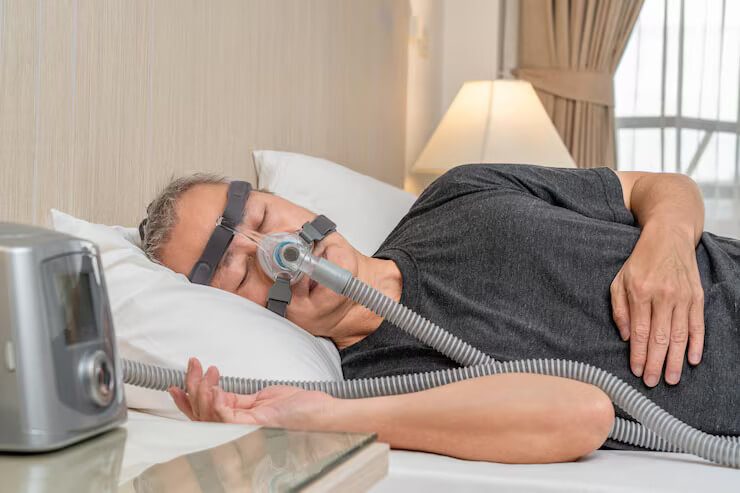
In some cases, a CPAP (continuous positive airway pressure) mask is commonly used. However, some patients may find it difficult to tolerate the mask. Other alternatives include surgical procedures on the nose, soft palate, base of the tongue, or jaw.