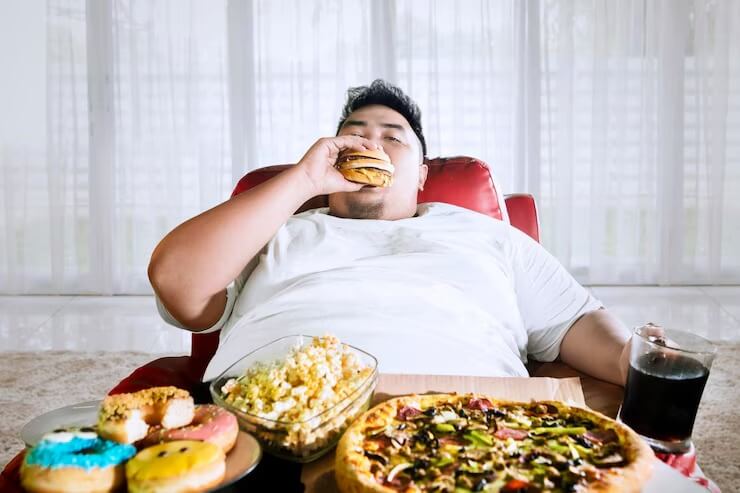
Obesity is the single greatest risk factor for obstructive sleep apnea (OSA) in adults. More than 60% of people with severe OSA are obese. What makes this condition even more complex is that sleep apnea itself worsens obesity — creating a vicious cycle that is difficult to break without intervention.
The Mechanism: How Does Obesity Trigger Sleep Apnea?
1. Fat Accumulation Around the Neck
Excess fat around the neck (neck circumference >43 cm in men, >40 cm in women) directly narrows the airway from the outside. During sleep, when the throat muscles relax, this additional fat pressure makes the airway more prone to collapse.
2. Visceral Fat Pressure on the Diaphragm
Visceral fat (fat surrounding the abdominal organs) exerts upward pressure on the diaphragm, reducing lung capacity during sleep. This leads to shallow breathing and increases apnea episodes, particularly when lying on the back.
Featured Product
ResMed AirSense 10 Autoset
ResMed's best automatic CPAP — adjusts pressure with every breath for precise, comfortable therapy throughout the night.
View Product Free Consultation3. Impaired Respiratory Regulation
Obesity disrupts the body's chemical balance through leptin resistance — leptin being the hormone that normally stimulates the respiratory center. In obese individuals, the brain becomes less responsive to low-oxygen signals, worsening central sleep apnea.
The Sleep Apnea – Obesity Vicious Cycle
Sleep apnea worsens obesity through:
- Elevated ghrelin levels (hunger hormone) and reduced leptin levels (satiety hormone)
- Fatigue that reduces motivation and ability to exercise
- Impaired glucose metabolism that promotes fat storage
- Elevated cortisol driving fat accumulation in the abdominal area
How Much Weight Loss Is Needed?
Research shows significant impact even with moderate weight loss:
Our Services for You
- 10% weight loss → average AHI reduction of 26%
- 20–25% weight loss → complete OSA resolution in some cases
- Bariatric surgery → OSA improvement in 80–85% of patients
Effective Weight Loss Strategies for People with Sleep Apnea
Diet
- A 500–750 kcal/day caloric deficit for gradual, sustainable weight loss
- High-protein diet (1.2–1.6 g/kg body weight) to preserve muscle mass
- Reduce refined carbohydrates and added sugars
- Increase fiber intake from vegetables, fruits, and legumes
Physical Activity
- 150–300 minutes of moderate-intensity aerobic exercise per week
- Resistance training 2–3 times per week to boost basal metabolism
- Start with comfortable activities (walking) and increase intensity gradually
Important: Use CPAP at the Same Time
CPAP and weight loss work hand in hand. CPAP improves sleep quality, which boosts energy for exercise and helps regulate appetite. Do not wait until you have lost weight before starting CPAP — begin both simultaneously for optimal results.
Consult the Resindo Medika medical team for an integrated plan covering sleep apnea diagnosis, CPAP therapy, and weight loss support.