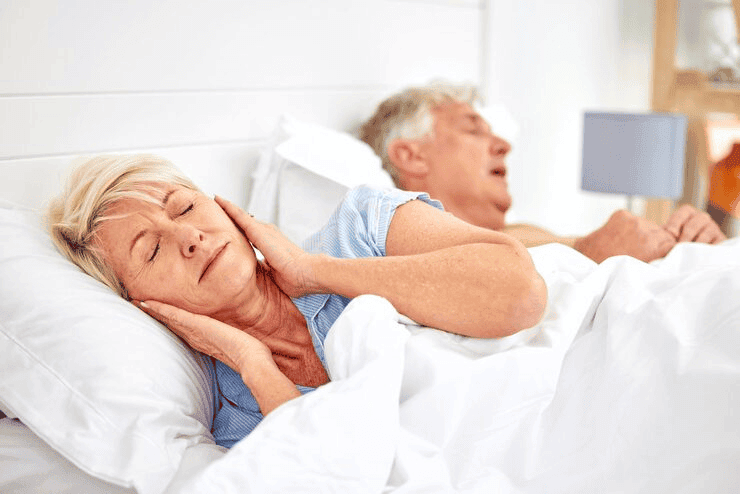
As we age, complex physiological changes fundamentally affect sleep quality and patterns. More than 50% of adults over 65 report significant sleep problems, yet many consider it a normal part of aging and do not seek help.
Normal Sleep Changes with Aging
Understanding normal changes helps distinguish them from disorders that require treatment:
- Sleep phase shifts earlier (circadian phase advance) — feeling sleepy at 8:00 PM, waking at 4:00 AM
- Reduced deep sleep (slow-wave sleep) — declining from 20% to less than 5% of total sleep
- More frequent nighttime awakenings
- Total sleep time decreases by approximately 30 minutes per decade after age 60
Common Sleep Disorders in the Elderly
1. Insomnia
Insomnia is the most common sleep complaint among older adults, with a prevalence of 30–60%. Causes are often multifactorial: chronic illness (pain, heart failure, GERD, diabetes), medications (diuretics causing nocturia, beta-blockers reducing melatonin), loss of a partner, or depression.
Featured Product
ResMed AirSense 10 Autoset
ResMed's top automatic CPAP — adjusts pressure with every breath for precise, comfortable therapy throughout the night.
View Product Free ConsultationSolution: CBT-I is the first-line therapy for chronic insomnia in older adults — more effective than sleep medications, with long-lasting results.
2. Sleep Apnea
The prevalence of sleep apnea increases with age — reaching 24–45% in older adults. Pharyngeal muscle weakness and weight gain are contributing factors. Symptoms are often atypical in the elderly: rather than excessive daytime sleepiness, they may present as cognitive decline, depression, or balance disturbances.
Solution: CPAP therapy is effective at all ages. Research shows that CPAP in older adults improves cognitive function, reduces the risk of recurrent stroke, and enhances quality of life.
Our Services for You
3. Restless Legs Syndrome (RLS)
An uncomfortable sensation in the legs when lying down that triggers an urge to move. Prevalence increases with age. It is often associated with iron deficiency (serum ferritin <50 ng/mL), renal insufficiency, and side effects of certain medications.
Solution: Check iron levels, review potentially causative medications, and seek a neurology referral for severe cases.
4. REM Sleep Behavior Disorder (RBD)
A condition in which older adults "act out" their dreams — shouting, striking out, or moving during sleep. Importantly, RBD is often an early sign of neurodegenerative disease (Parkinson's, Lewy body dementia) and requires prompt neurological evaluation.
A Tailored Management Approach for Older Adults
- Avoid sedative sleep medications — they increase the risk of falls, cognitive impairment, and dependency
- Behavioral therapy (CBT-I) — first-line treatment for insomnia
- CPAP for sleep apnea — significant benefits even in adults aged 80 and older
- Low-dose melatonin — 0.5–3 mg for circadian phase advance; safer than sleep medications
- Regular physical activity — 30 minutes of light aerobic exercise 5 times per week
- Bright light exposure — 30 minutes in the morning to strengthen the circadian rhythm
Sleep disorders in older adults are a condition that can and should be treated — not something to be accepted as an inevitable part of aging. Appropriate treatment can dramatically improve quality of life. Resindo Medika provides comprehensive sleep disorder evaluations that take into account the specific needs of elderly patients.