Sleep apnea is a serious sleep disorder whose effects extend far beyond daytime sleepiness. Research consistently shows that untreated sleep apnea is an independent risk factor for a range of cardiovascular diseases, including hypertension, coronary artery disease, heart failure, arrhythmia, and stroke.
Mechanisms: How Does Sleep Apnea Damage the Heart?
Each apnea episode triggers a series of physiological changes that are harmful to the cardiovascular system:
- Intermittent hypoxia: repeated drops in oxygen levels trigger oxidative stress that damages the vascular endothelium
- Excessive sympathetic activation: the brain triggers a fight-or-flight response each time breathing stops, causing sudden spikes in blood pressure and heart rate
- Systemic inflammation: the release of pro-inflammatory cytokines accelerates atherosclerosis
- Negative intrathoracic pressure: the effort to breathe against an obstructed airway creates mechanical strain on the heart wall
Specific Effects on the Heart
1. Hypertension
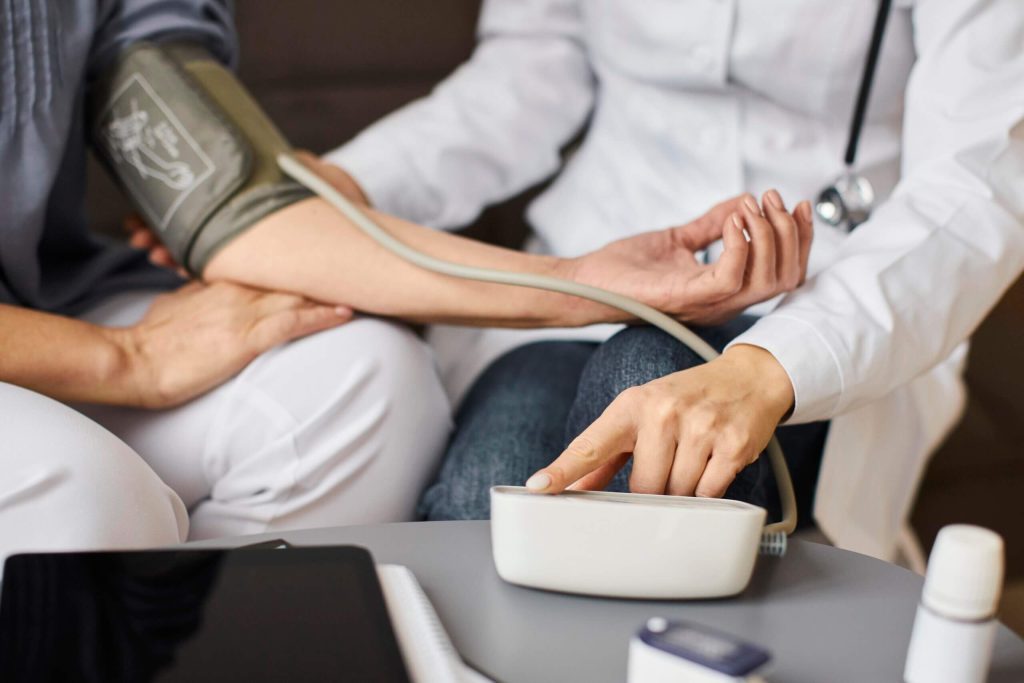
70–80% of patients with severe OSA have hypertension. Sleep apnea causes nocturnal hypertension — elevated blood pressure at night — which is particularly dangerous. Normally, blood pressure should drop by 10–20% during sleep (dipping). In OSA, this does not occur (non-dipping pattern).
Featured Product
ResMed AirSense 10 Autoset
ResMed's top auto-adjusting CPAP — it fine-tunes pressure with every breath for precise, comfortable therapy throughout the night.
View Product Free ConsultationCPAP therapy can lower mean systolic blood pressure by 5–10 mmHg.
2. Arrhythmia – Particularly Atrial Fibrillation
OSA increases the risk of atrial fibrillation (AFib) by 4 times. Patients undergoing cardioversion for AFib have a 2.5 times higher recurrence rate if sleep apnea is left untreated. Treating OSA with CPAP before and after AFib ablation significantly reduces recurrence.
3. Coronary Artery Disease
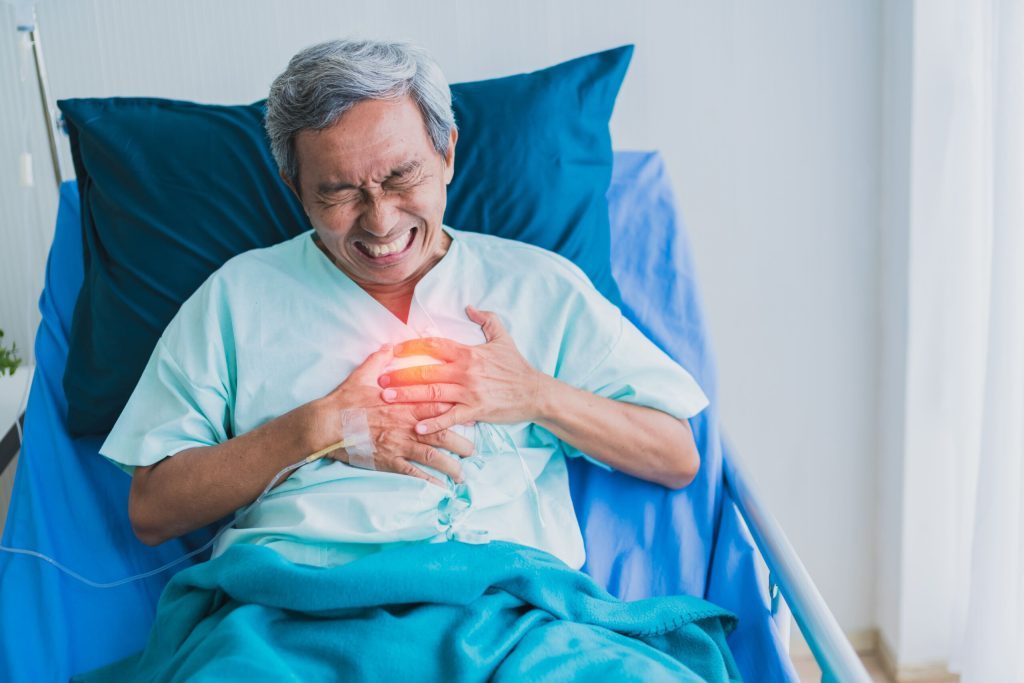
Severe OSA is associated with a 68% higher risk of myocardial infarction. Nocturnal hypoxia accelerates coronary atherosclerosis through endothelial dysfunction and increased oxidative stress.
Our Services for You
4. Heart Failure
The relationship between OSA and heart failure is bidirectional: OSA can trigger heart failure, and heart failure can lead to central sleep apnea (Cheyne-Stokes respiration). Sleep apnea management is an important component of heart failure treatment.
CPAP as Cardiovascular Protection
Research from the NEJM (SAVE Trial) and various meta-analyses shows:
- Consistent CPAP use reduces stroke risk by up to 42%
- Lowers mean systolic/diastolic blood pressure by 5/3 mmHg
- Reduces post-ablation AFib recurrence by 50%
- Lowers overall cardiovascular mortality risk
If you have cardiovascular disease and have not been evaluated for sleep apnea, this is a diagnostic gap that needs to be addressed. Resindo Medika provides comprehensive sleep studies with specialized analysis for cardiovascular risk assessment.